Introduction
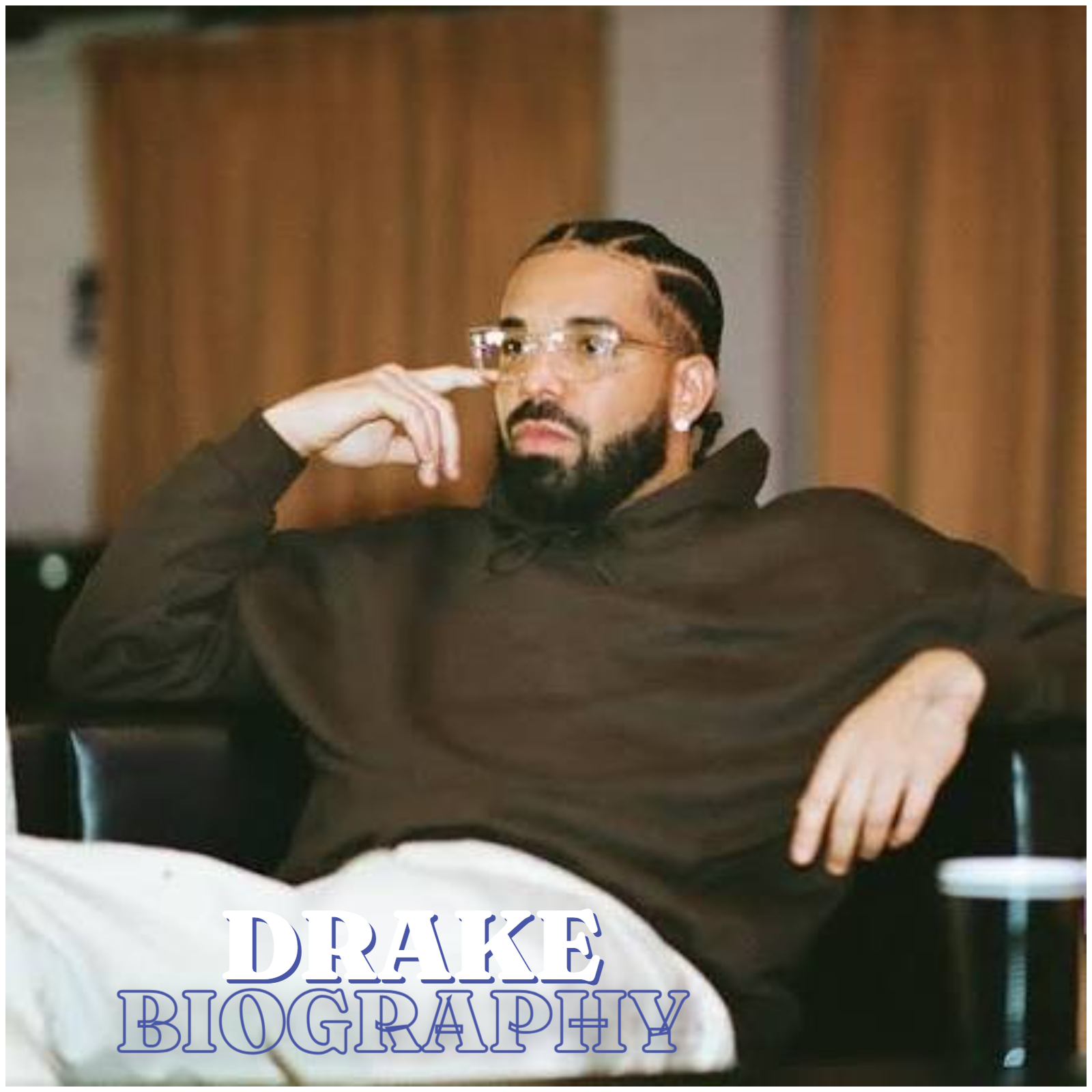
Drake, whose real name is Aubrey Drake Graham, is a Canadian rapper, singer, songwriter, actor, and entrepreneur widely recognised for his influence on contemporary hip-hop and R&B. Born on October 24, 1986, in Toronto, Ontario, Canada, he developed an international following through a combination of melodic rap, emotionally expressive songwriting, memorable hooks, and collaborations with artists from different musical backgrounds. His career has grown from television acting and independent mixtapes into a global entertainment brand, with successful albums, international tours, business ventures, and a catalogue of songs that have reached audiences across multiple generations.
Drake first became known to television audiences for playing Jimmy Brooks in the Canadian teen drama Degrassi: The Next Generation. While acting, he developed an interest in music and began releasing independent projects that introduced his songwriting and performance style. His 2009 mixtape So Far Gone became a major turning point, attracting widespread attention and helping him move into the mainstream recording industry. Following this breakthrough, albums such as Thank Me Later, Take Care, Nothing Was the Same, Views, and Scorpion established him as one of the most commercially successful artists of his generation. His ability to combine rap with singing and personal storytelling helped him appeal to listeners beyond traditional hip-hop audiences.
By October 2026, Drake’s story includes continued musical experimentation, major commercial achievements, business activities, family life, and public controversies. His widely publicised 2024 rivalry with Kendrick Lamar generated extensive discussion about artistic competition and his position in hip-hop. He has also helped create international musical connections through collaborations with artists such as Nigerian singer Wizkid. In 2026, Drake released ICEMAN, MAID OF HONOUR, and HABIBTI on May 15, followed by HABIBTI (FOMO) on October 2. These releases have added a new chapter to his career and renewed interest in his musical d
Early Life and Family Background
Aubrey Drake Graham was born and raised primarily in Toronto, Canada. His father, Dennis Graham, is an American musician who worked as a drummer, while his mother, Sandi Graham, is a Canadian educator of Ashkenazi Jewish heritage. His parents separated when Drake was young, and he spent much of his childhood living with his mother in Toronto. He has spoken about the difficulties his family experienced during this period, and those experiences later became part of the personal themes explored in his music. His upbringing exposed him to different cultural backgrounds and family experiences that helped shape his identity as an artist.
Drake grew up in Toronto’s Forest Hill neighbourhood, an environment that became part of the story surrounding his early development. His connection to the city remains central to his public identity, and he frequently references Toronto in his music and branding. The nickname “the 6,” associated with Toronto, became closely linked to his artistic image. Rather than distancing himself from his hometown after becoming internationally famous, Drake has continued to use his music, public appearances, and business activities to maintain a connection with the city where he grew up.
His family background also influenced his understanding of music and culture. His father’s musical experience exposed him to the entertainment world, while his mother’s role in raising him contributed to the family themes that appear in his work. Drake has discussed his parents’ separation and the effect it had on his childhood, although personal recollections should be understood as his own perspective rather than a complete account of every family member’s experience. These experiences help explain why relationships, loyalty, vulnerability, ambition, and family responsibilities have become recurring subjects in his songwriting.
Education
Drake attended school in Toronto and studied at Forest Hill Collegiate Institute. His early education took place alongside his developing interest in acting and entertainment, giving him experience balancing school responsibilities with professional opportunities. During this period, he began working as an actor, which gradually changed the direction of his life and created challenges in completing his education through a conventional school pathway.
Drake’s family background also included Jewish traditions through his mother’s heritage. He attended a Jewish day school and celebrated a Bar Mitzvah at the age of 13. These experiences contributed to his understanding of cultural identity and became part of the public story of his upbringing. His background is often discussed because it combines African-American heritage on his father’s side with Jewish heritage on his mother’s side.
As his acting career developed, Drake’s professional commitments made it difficult to follow a traditional education schedule. He eventually left school before completing his diploma at the time, but later returned to finish his high school education in 2012. His educational experience illustrates how early professional opportunities can change a person’s path, although his story should not be interpreted as a reason for other young people to abandon education. His career developed through a combination of acting experience, music, persistence, and opportunities in the entertainment industry.
How Drake Started His Career
Drake’s first major public opportunity came through acting rather than music. He was cast as Jimmy Brooks in Degrassi: The Next Generation, a Canadian television series that followed the lives of teenagers dealing with school, relationships, and personal challenges. The role introduced him to a wide audience and provided practical experience in performing before cameras. It also helped him develop confidence and an understanding of the entertainment business before he began pursuing music more seriously.
While working on television, Drake began writing and recording rap music. He released Room for Improvement in 2006 and Comeback Season in 2007, two independent mixtapes that helped him build an early audience. These projects were not as commercially successful as his later albums, but they allowed him to experiment with his sound, develop his writing, and establish connections within the hip-hop community. His early music showed an interest in combining conventional rap with more melodic vocals and personal reflections.
His career changed significantly with the release of So Far Gone in 2009. The mixtape included songs such as “Best I Ever Had” and helped attract attention from major figures in the American music industry. Drake subsequently signed with Young Money Entertainment, working within an environment associated with Lil Wayne. This opportunity helped him transition from an independent artist with a growing following into a mainstream recording star. His first studio album, Thank Me Later, arrived in 2010 and debuted at number one on the Billboard 200, confirming that his music had reached a much larger audience.
What Made Drake Become Popular?
Drake became popular partly because he brought together musical styles and emotional themes that appealed to a broad audience. His songs often combine rap verses with melodic choruses, allowing him to move between confident performances and more reflective material. Rather than focusing exclusively on traditional hip-hop subjects, he frequently explores relationships, ambition, disappointment, fame, insecurity, and personal growth. This mixture helped listeners connect with his music in different ways and contributed to his identity as an artist who could move between rap and R&B.
His early success with So Far Gone was followed by albums that strengthened his position in mainstream music. Take Care received significant critical and commercial attention, while Nothing Was the Same further developed his signature sound. Later projects, including Views and Scorpion, produced major hits and expanded his audience internationally. Songs such as “Hotline Bling,” “One Dance,” “God’s Plan,” and “In My Feelings” became important parts of his catalogue and helped him reach audiences beyond the core hip-hop market.
Drake’s popularity has also been supported by collaborations, streaming platforms, social media, and business development. His partnerships with artists from different genres have allowed him to reach new listeners, while his association with Toronto has helped create a recognisable public identity. His success is not simply the result of one hit song or one album; it reflects years of releases, audience engagement, professional relationships, and an ability to respond to changing musical trends.
The Most Important Event in Drake’s Career
One of the most important turning points in Drake’s career was the release of So Far Gone in 2009. Before that project, he was known mainly as a television actor and an emerging independent rapper. The mixtape changed public perceptions of him by demonstrating that he could build a music career beyond his acting work. Its success helped him attract the attention of established industry figures and paved the way for his signing with Young Money Entertainment.
The release of Take Care in 2011 was another defining milestone. The album helped establish Drake’s reputation for blending rap, singing, and personal storytelling, and it won the Grammy Award for Best Rap Album at the 2013 ceremony. His subsequent albums and international hits expanded his influence, while his business activities gave him opportunities beyond recording music. These achievements helped transform him from a promising new artist into a major figure in popular entertainment. <Cite refs={[“turn666172search0″,”turn666172search2”]}/>
Another major event was the public rivalry with Kendrick Lamar in 2024. Their exchanges through diss tracks attracted extensive media attention and generated debate about lyrical competition, credibility, and the changing culture of hip-hop. The dispute became a significant chapter in Drake’s public story because it challenged aspects of his reputation while keeping his music and public image at the centre of popular discussion. Its long-term effect on his legacy will depend on how audiences assess his later work and the broader trajectory of his career.
What Happened Recently That Made People Search for Drake?
Drake attracted renewed attention in 2026 through a series of major music releases. On May 15, he released three albums: ICEMAN, MAID OF HONOUR, and HABIBTI. The releases generated substantial discussion because they arrived together and offered different musical approaches across the three projects. Music publications reported that the albums collectively contained 43 tracks, marking a major release moment in his career.
On October 2, 2026, Drake released HABIBTI (FOMO), an expanded project featuring additional music, including “Québec,” “Classic Pt. 2,” “Cold Shoulder” with Don Toliver and Yebba, and “Solar Eclipse,” featuring Don Toliver. The release created another reason for fans and music publications to discuss his recent work. Readers looking for the latest developments should distinguish officially released projects from speculation about future albums or tours.
Drake’s recent releases have also been viewed in the context of his 2024 rivalry with Kendrick Lamar. Observers continue to debate how that dispute affected his public standing and whether his subsequent music represents a change in artistic direction. These are matters of interpretation rather than settled facts. What can be established is that Drake has continued releasing music, collaborating with other performers, and attracting attention as an artist whose work is followed closely by both fans and critics.
Confirmed Timeline of Drake’s Life and Career
- 1986: Aubrey Drake Graham was born on October 24 in Toronto, Ontario, Canada.
- Early 2000s: He began gaining public recognition as Jimmy Brooks in Degrassi: The Next Generation.
- 2006: He released his independent mixtape Room for Improvement.
- 2007: He released Comeback Season, continuing to develop his music career.
- 2009: So Far Gone became a major breakthrough, and songs such as “Best I Ever Had” gained widespread attention.
- 2010: He released his debut studio album, Thank Me Later, which debuted at number one on the Billboard 200.
- 2011: He released Take Care, an important album in his development as a mainstream artist.
- 2013: He released Nothing Was the Same and won the Grammy Award for Best Rap Album for Take Care at the 2013 ceremony.
- 2016: Views expanded his international success, and “One Dance,” featuring Wizkid and Kyla, became a major global hit.
- 2018: He released Scorpion, which included songs addressing his personal life and fatherhood.
- 2021: He released Certified Lover Boy.
- 2022: He released Honestly, Nevermind and Her Loss, the latter with 21 Savage.
- 2023: He released For All the Dogs.
- 2024: His rivalry with Kendrick Lamar became a major topic in hip-hop and popular culture.
- 2025: He released $ome $exy $ongs 4 U with PartyNextDoor.
- May 15, 2026: He released ICEMAN, MAID OF HONOUR, and HABIBTI.
- October 2, 2026: He released HABIBTI (FOMO).
This timeline highlights the main stages of Drake’s development from actor and independent musician to international recording artist and entrepreneur. <Cite refs={[“turn666172search0″,”turn666172search5″,”turn666172search12”]}/>
What Drake Did Before Becoming Famous
Before becoming famous as a recording artist, Drake worked as an actor on Degrassi: The Next Generation. The series gave him public recognition and professional experience in television, but he also spent time developing his musical ambitions. Rather than waiting until his acting career ended, he began writing and recording rap music while still working in entertainment.
His early mixtapes, Room for Improvement and Comeback Season, allowed him to introduce his music independently. These releases helped him practise songwriting, experiment with production and performance, and develop a small but growing audience. The projects also showed that his interest in music was more than a temporary extension of his television fame.
Drake’s early path is useful to understand because it demonstrates how his career developed across more than one entertainment field. Acting gave him an initial platform, while independent music releases allowed him to build a different identity. His eventual success came through the combination of these experiences, the breakthrough of So Far Gone, and opportunities that followed as the music industry took greater notice of his work.
Challenges Drake Faced and How He Responded
Drake’s career has involved challenges associated with family circumstances, professional competition, public criticism, and the pressure of maintaining success. His parents separated when he was young, and he has discussed how his upbringing influenced his outlook on relationships and family. These experiences later became part of his songwriting, where he often explores emotional vulnerability, ambition, and the difficulty of navigating personal relationships.
He also faced the challenge of moving from acting into a competitive music industry. Being known first as a television actor could have limited how some listeners viewed his ambitions as a rapper. He responded by releasing independent mixtapes, developing his sound, and gradually proving himself through music. The breakthrough of So Far Gone helped change the conversation around his career and provided a route into mainstream recording.
As an established artist, Drake has faced criticism of his musical choices and public disputes with other performers. The 2024 rivalry with Kendrick Lamar became a particularly visible example of how public competition can affect an artist’s reputation. Drake has continued releasing music and working on new projects, but the ultimate effect of these controversies remains a matter for audiences and critics to assess. His story illustrates that career longevity involves more than initial success; it also requires responding to changing expectations and continuing to create work that attracts listeners.
What Makes Drake’s Career Different From Other Artists?
Drake’s career stands out because he has built an identity around combining rap with singing, R&B influences, and emotionally direct storytelling. Many of his songs move between confident rap performances and melodic sections that explore relationships, uncertainty, ambition, and fame. This style has allowed him to reach both hip-hop listeners and audiences who primarily listen to pop or R&B. His music often crosses genre boundaries without fully abandoning its rap foundation.
His career also developed through a combination of acting, independent releases, major-label opportunities, and business activities. Starting in television gave him a public platform before his music career reached its peak. Later, his work with OVO Sound and the October’s Very Own brand helped expand his identity beyond recording and performing. His collaborations with musicians from different backgrounds have also contributed to his international profile.
Another distinctive feature is his connection to Toronto and his role in bringing that identity into global popular music. He has consistently referenced his hometown and built a brand closely associated with the city. His collaborations with artists such as Wizkid further demonstrate how an established international performer can connect audiences across musical scenes. These features distinguish Drake’s career, although his influence and artistic reputation continue to be debated by fans and critics.
Major Achievements That Can Be Independently Confirmed
Drake’s achievements can be assessed through established music-industry records, album releases, chart performance, and award listings. The Recording Academy’s official profile lists him with five Grammy wins and 56 nominations through the 2026 Grammy Awards. His first Grammy win was Best Rap Album for Take Care, presented at the 2013 ceremony. These records provide a verifiable measure of his recognition within the music industry. <Cite refs={[“turn666172search0″,”turn666172search3”]}/>
His commercial achievements include a series of albums that debuted strongly on major charts and songs that reached large international audiences. Thank Me Later, Take Care, Nothing Was the Same, Views, and Scorpion helped establish his position in mainstream music. Songs such as “God’s Plan,” “Hotline Bling,” and “One Dance” remain among his most recognisable releases. These achievements reflect the sustained commercial reach of his music across different periods of his career.
Beyond recording, Drake is associated with OVO Sound and the October’s Very Own brand, giving him a presence in music production, artist development, fashion, and commercial partnerships. His collaboration with Wizkid also provides a documented example of his connection with Nigerian music. Although claims about the exact value of private business deals or his personal wealth require caution, his major albums, award record, and public business activities are independently documented.
Drake’s Impact on the Music Industry and Community
Drake has influenced contemporary hip-hop and R&B through a style that combines rap, melodic singing, and personal storytelling. His success helped make genre-crossing music a central feature of mainstream rap, while his albums have influenced how some artists approach the relationship between emotional expression and commercial accessibility. His extensive catalogue and sustained chart presence have also made him a frequent point of comparison in discussions about modern music-industry success.
His business activities have contributed to his wider impact. Through OVO Sound and related ventures, Drake has participated in the development of a brand that includes music, fashion, and cultural events. His association with Toronto has also helped draw international attention to the city’s music scene. However, the extent of his impact should be considered alongside the work of other musicians, producers, songwriters, executives, and local scenes that have shaped contemporary entertainment.
Drake’s international collaborations have also helped connect audiences across different musical traditions. His work with Wizkid brought together a major Canadian artist and a leading Nigerian performer at a time when Afrobeats was gaining wider international recognition. This collaboration became part of a larger story about the globalisation of music and the ability of artists from different countries to reach new audiences. It is important, however, not to attribute the worldwide rise of Afrobeats to one international star; Nigerian artists and the African music industry have been central to that growth.
Drake’s Social Media Presence
Drake uses social media to promote music, share selected moments from his life, connect with fans, and maintain visibility between releases. His online presence is an important part of his public identity because it allows him to communicate directly with a large international audience and draw attention to new music, performances, and business activities. His posts can also become subjects of media coverage, particularly when fans interpret them as hints about future projects or responses to events in the entertainment industry.
His widely recognised accounts include Instagram @champagnepapi and X @drake. His music and video content can also be found through Drake’s official YouTube channel. Readers should use the platform links to verify current account details, since social media names and account arrangements can change over time.
Drake is also associated with the TikTok handle @drakerelated, while his official links and music destinations can be accessed through Drake’s Linktree. His social media accounts help fans follow his public activities, but online posts should not automatically be treated as confirmation of private matters, rumoured relationships, or unannounced projects. Official announcements and reliable reporting remain important when verifying claims about his career.
Drake’s Personal Life and Family
Drake’s family background has played an important role in shaping his personality, music, and public image. His parents are Dennis Graham, an American musician and former drummer, and Sandi Graham, a Canadian educator of Jewish heritage. His parents separated when he was five years old, and Drake was primarily raised by his mother in Toronto, while he spent time with his father in Memphis, Tennessee. He has spoken publicly about how his childhood and his parents’ separation influenced his understanding of relationships, family, and emotional responsibility.
One of the most important people in Drake’s personal life is his son, Adonis Graham, whom he welcomed with French artist Sophie Brussaux on October 11, 2017. Although Drake and Brussaux were not married, they share parental responsibilities and have publicly acknowledged their son. Drake confirmed his fatherhood through his music, particularly on his 2018 album Scorpion, after the news attracted considerable public attention. Over time, he has shared selected moments with Adonis, including photographs and glimpses of their relationship, while generally keeping parts of his son’s private life away from constant public exposure. Fatherhood has also become a recurring theme in Drake’s music, with reflections on love, responsibility, and the desire to provide his child with a supportive upbringing.
Drake has not publicly confirmed a wife or current fiancée, and he is not known to be married. His romantic life has attracted media attention over the years, with public associations and reported relationships involving several celebrities, but not every rumour has been confirmed by the people involved. He has also maintained a complicated but significant relationship with his father, Dennis, and has frequently expressed appreciation for his mother, Sandi. Overall, Drake’s personal life remains a subject of public interest because his experiences with family, fatherhood, relationships, and personal challenges often influence the emotions and stories explored in his songs.
Drake’s Age, Religion, Nationality, Height and Physical Appearance
Age: Drake was born on October 24, 1986, in Toronto, Ontario, Canada. As of October 14, 2026, he is 39 years old and will celebrate his 40th birthday on October 24, 2026. His zodiac sign is Scorpio. Over the years, Drake has grown from a young television actor into one of the most recognised figures in contemporary hip-hop and R&B, building an international career through music, acting, business ventures, and live performances.
Religion: Drake has a multicultural family background that includes both African-American and Jewish heritage. His father, Dennis Graham, is African-American, while his mother, Sandi Graham, is of Ashkenazi Jewish heritage. Drake was raised partly within Jewish traditions, attended a Jewish day school, and celebrated his Bar Mitzvah at the age of 13. His background has become part of his public identity, and he has occasionally referenced Jewish culture and his upbringing in his music and interviews. Although his upbringing is well documented, it is best to distinguish his religious background from assumptions about his current personal beliefs.
Nationality: Drake is Canadian by nationality and was born and raised primarily in Toronto, a city that has strongly influenced his music and public image. His connection to Toronto remains central to his identity, and he frequently references the city through the nickname “the 6,” a name associated with Toronto that has become closely linked to his brand and musical career.
Height and Physical Appearance: Drake is commonly reported to be approximately 5 feet 11¾ inches (about 182 cm) tall, although celebrity height figures can vary between sources. He has dark hair, dark brown eyes, and a distinctive beard that he has worn in different styles throughout his career. His appearance has evolved from his clean-cut look during his Degrassi: The Next Generation acting years to a more mature style featuring closely trimmed facial hair, fashionable clothing, jewellery, and designer accessories. His public image often combines contemporary streetwear with luxury fashion, reflecting his position as both a global music star and a prominent figure in popular culture.
How Drake Has Influenced African and Nigerian Culture and Entertainment
Drake’s influence on African and Nigerian entertainment can be seen in the growing connection between global hip-hop, Afrobeats, streaming platforms, and international music collaborations. Although he is a Canadian artist, his ability to blend rap, R&B, dancehall, and other musical styles has helped popularise a sound that appeals to listeners across different regions. His success has also demonstrated how artists can build international audiences by combining local identity with globally recognisable music. For Nigerian musicians seeking to reach listeners beyond Africa, Drake’s career provides an example of how genre-crossing music and digital distribution can help connect different markets.
A major example is Drake’s collaboration with Nigerian superstar Wizkid on “One Dance” in 2016, alongside British singer Kyla. The song topped major international charts and brought Wizkid’s voice to a much wider global audience. Drake had also appeared on the remix of Wizkid’s “Ojuelegba,” helping introduce more listeners to a song rooted in Lagos life and Nigerian musical culture. Their collaborations demonstrated how partnerships between established international stars and African musicians could expand the reach of Nigerian music. <Cite refs={[“turn666172search1″,”turn666172search6″,”turn666172search9”]}/>
Drake’s wider influence is therefore connected to cultural exchange, collaboration, and international visibility. His work with African artists helped make Afrobeats-influenced sounds more familiar to some mainstream Western audiences and encouraged conversations about how African music can participate in global pop culture. However, it would be inaccurate to say Drake created Afrobeats or single-handedly made Nigerian music popular worldwide. Nigerian artists, producers, songwriters, and music executives had already been developing the genre for years, and artists such as Wizkid, Davido, Burna Boy, and Tems have continued to build its international reputation through their own work. Drake’s contribution is best understood as helping amplify an existing musical movement rather than originating it.
Important Facts About Drake That Are Commonly Misunderstood
Several aspects of Drake’s life and career are often misunderstood because of his celebrity status, public relationships, and highly publicised disputes. One common misconception is that Drake became famous solely through music. In reality, he first gained recognition as an actor playing Jimmy Brooks in Degrassi: The Next Generation. Before becoming an internationally successful rapper, he had already developed experience in television and entertainment. He later pursued music independently, releasing mixtapes such as Room for Improvement in 2006, Comeback Season in 2007, and So Far Gone in 2009. His career therefore developed through a combination of acting, independent music releases, industry connections, and commercial success rather than one sudden breakthrough.
Another commonly misunderstood aspect of Drake’s personal life concerns his family and romantic relationships. Although his relationships have frequently attracted media attention, not every rumoured romance or reported engagement has been confirmed. Drake has a son, Adonis Graham, with French artist Sophie Brussaux, but the two have not publicly established themselves as a married couple. Drake’s fatherhood became widely discussed following the release of his 2018 album Scorpion, particularly the songs addressing his personal circumstances. His family life is often discussed through headlines and lyrics, but it is important to distinguish information confirmed by Drake or the people involved from speculation circulated by entertainment websites and social media users.
A further misconception is that Drake’s success and influence can be measured only by his chart positions, wealth, or public rivalries. His career also includes songwriting, musical experimentation, business activities, and collaborations that have connected hip-hop with R&B, dancehall, and Afrobeats. His collaboration with Wizkid on “One Dance” and his appearance on the remix of “Ojuelegba” helped bring Nigerian musical talent to wider international audiences, but Drake did not create Afrobeats or single-handedly establish its global popularity. Nigerian musicians and the broader African music industry had already been developing the genre and expanding its reach. Similarly, reported net-worth figures published online should be treated as estimates rather than verified statements of his personal finances.
Confirmed Facts About Drake and Information That Remains Unverified
When writing about Drake, it is important to separate established biographical facts from rumours and estimates. Because he is one of the world’s most widely discussed music stars, information about his family, relationships, wealth, and new projects can spread quickly online. For a reliable biography on Bioscope Africa, information should be checked against official artist announcements, reputable news organisations, verified music-industry records, and statements from the people directly involved.
Confirmed information about Drake
- Full name and birth: Drake’s full name is Aubrey Drake Graham, and he was born on October 24, 1986, in Toronto, Ontario, Canada.
- Acting career: He played Jimmy Brooks in Degrassi: The Next Generation before becoming a major recording artist.
- Musical breakthrough: His mixtape So Far Gone helped establish his music career, followed by his debut studio album, Thank Me Later, in 2010.
- Family: His parents are Dennis Graham and Sandi Graham. He has a son, Adonis Graham, with Sophie Brussaux.
- Major achievements: His albums, chart performances, Grammy Award recognition, and collaborations are documented in music-industry records.
- Connection to Nigerian music: His collaboration with Wizkid on “One Dance” and his appearance on the remix of “Ojuelegba” are established examples of his musical connection with Nigeria’s Afrobeats scene.
Information that remains unverified or requires caution
- Exact net worth: Drake’s personal wealth has not been fully disclosed publicly. Online figures are estimates rather than independently audited confirmation of his total assets and debts.
- Relationship and engagement rumours: Claims that he is engaged, secretly married, or involved in a particular relationship should not be presented as facts unless supported by credible confirmation.
- Private family matters: Claims about family disagreements, personal conversations, or private arrangements may be incomplete or based on speculation unless the people involved or reliable reporting confirm them.
- Meaning behind lyrics: Fans often interpret Drake’s songs as references to specific people or real-life events. Unless he confirms the meaning, these interpretations should be described as theories rather than established facts.
- Rumoured business deals and investments: Claims about the value of private contracts, investment stakes, or undisclosed business arrangements require reliable documentation before being reported as confirmed.
- Unannounced projects and future plans: Rumours about upcoming albums, collaborations, tours, or release dates should remain labelled as unconfirmed until Drake, his representatives, or an authoritative music-industry source verifies them.
The safest approach is to distinguish documented facts, reported claims, estimates, and speculation. For example, Drake’s Grammy record can be checked through the official Grammy Awards website, while his 2026 albums can be verified through official music listings and reputable music publications. <Cite refs={[“turn666172search0″,”turn666172search5″,”turn666172search12”]}/> By contrast, personal rumours and estimated wealth should be attributed to their sources and never presented as confirmed facts without supporting evidence. This distinction helps readers understand Drake’s career and personal life without confusing internet speculation with verified information.
Statements Drake Has Personally Made About Important Events in His Life
Drake’s own interviews, music, and public statements provide important insight into the experiences that shaped his career. When documenting his story for Bioscope Africa, it is useful to distinguish between what he has directly said, what he has expressed through his lyrics, and what journalists or fans have interpreted. His songs often draw on personal experiences, but a lyric should not automatically be treated as a literal account of a particular event.
On his childhood and parents
Drake has spoken about his parents’ separation and the impact of growing up primarily with his mother. In public conversations about family and parenting, he has reflected on how his childhood influenced the kind of father he wants to be. These comments help explain why family relationships and emotional experiences appear so frequently in his music. His recollections provide his perspective on those experiences, although they should not be treated as a complete account of every family member’s feelings or memories.
On becoming a father
Drake addressed fatherhood in interviews and on his 2018 album Scorpion. His song “March 14” explores his feelings about becoming a father and the responsibilities that came with having a son. He has also discussed wanting his son, Adonis, to have a relationship with both parents. These statements offer insight into how he has publicly approached fatherhood, although the song itself remains an artistic expression rather than a comprehensive record of his private family arrangements.
On his identity and cultural background
Drake has discussed growing up with both Black and Jewish heritage. His father’s African-American background and his mother’s Ashkenazi Jewish heritage contributed to the cultural experiences that shaped his childhood in Toronto. His Jewish upbringing, including his Bar Mitzvah, has become part of his public story. His comments and artistic references reflect the way he has discussed navigating more than one cultural identity while growing up.
On his early interest in music
Drake’s early music career developed alongside his acting work. His father’s musical background and his own interest in hip-hop helped encourage his ambitions as a performer and songwriter. His early mixtapes gave him an opportunity to practise writing and recording outside the television industry. This history illustrates that his musical career developed over time rather than appearing only after he became famous.
On challenges and public criticism
Drake’s career has involved both commercial success and public criticism. His music, relationships, and rivalries have been widely discussed, and he has responded to some aspects of his experiences through songs and interviews. His public rivalry with Kendrick Lamar in 2024 became particularly prominent in discussions about hip-hop competition and artistic reputation. For an accurate biography, however, it is important not to infer his private feelings from lyrics or social media posts unless he has directly explained them.
Drake’s own statements provide valuable evidence about his experiences, but they should be interpreted in context. Interviews offer his recollections and opinions, while lyrics may combine real experiences with storytelling and artistic exaggeration. For a balanced biography, Bioscope Africa should prioritise full interviews, direct statements, and reputable reporting rather than relying on short social media clips or interpretations of lyrics.
Lessons Readers Can Learn from Drake’s Career and Life Story
1. Your beginning does not have to determine your future. One important lesson from Drake’s life is that success can come through different paths. Before becoming an internationally recognised rapper, he worked as an actor on Degrassi: The Next Generation. He later pursued music through independent mixtapes and gradually built a recording career. His journey shows that people can develop their talents in one field and use the experience, discipline, and connections they gain to explore new opportunities. For young people in Nigeria and across Africa, his career offers an example of how an existing skill or early opportunity can become a foundation for a different ambition.
2. Consistency, creativity, and adaptability matter. Drake has maintained a long career by releasing music regularly, collaborating with artists from different backgrounds, and experimenting with hip-hop, R&B, dancehall, and other sounds. Not every creative decision receives universal approval, but his willingness to explore different styles has helped him reach audiences with varied musical tastes. His collaborations with artists such as Wizkid also illustrate the opportunities that can emerge when musicians connect across countries and genres. The lesson for aspiring entertainers is to keep improving their craft, understand their audiences, and remain open to new ideas without losing the qualities that make their work distinctive.
3. Personal challenges can influence creative expression. Drake’s music frequently explores relationships, family, ambition, disappointment, and fatherhood. Albums such as Take Care and Scorpion demonstrate how personal themes can become part of an artist’s connection with listeners. His public experiences also show that fame does not remove the difficulties associated with relationships, family responsibilities, or criticism. However, his story should not be reduced to the idea that hardship automatically produces success; talent, opportunity, persistence, professional support, and timing can all contribute to a person’s achievements.
4. Build an identity while learning from others. Drake’s strong association with Toronto has helped distinguish him in the international music industry. He frequently references the city in his songs and has helped make its musical identity more visible to audiences around the world. Nigerian artists can draw a similar lesson by developing distinctive sounds and stories connected to their own experiences, languages, communities, and cultural backgrounds. International collaboration can expand an artist’s reach, but cultural identity and originality remain valuable assets.
5. Success requires responsibility and perspective. Drake’s experiences as a father and public figure highlight the importance of recognising responsibilities beyond professional achievements. His life also illustrates the need to separate public image from private reality. Celebrities face scrutiny, and information about their finances, relationships, and personal decisions is not always accurately represented online. Readers can learn to celebrate achievement while remaining thoughtful about privacy, accountability, and the difference between public attention and personal fulfilment.
Ultimately, Drake’s career offers lessons about persistence, reinvention, creative collaboration, and the value of developing a recognisable identity. His journey is not a guaranteed formula for success, but it demonstrates how talent can grow through sustained work, calculated risks, and the ability to respond to changing audiences. For aspiring musicians, content creators, and entrepreneurs, the most useful lesson is to develop their abilities, learn from setbacks, build meaningful professional relationships, and pursue opportunities while remaining grounded in their own values and circumstances.
Drake’s Net Worth in 2026
Drake’s net worth is not publicly verified, and online estimates vary considerably. Some celebrity wealth publications have placed his wealth around US$250 million, while other estimates have reached approximately US$400 million. Neither figure should be treated as an officially confirmed statement of his finances because Drake has not publicly disclosed a complete account of his assets, investments, debts, and business interests. For this biography, US$250 million to US$400 million is a broad range of reported estimates, not a verified financial total.
A substantial portion of Drake’s wealth is associated with his successful music career. As a rapper, singer, songwriter, and recording artist, he can earn revenue through music sales, streaming royalties, publishing rights, concert performances, and related licensing arrangements. Albums such as Take Care, Views, Scorpion, and Certified Lover Boy have contributed to his commercial success, while international tours have provided another potential source of income. His recording and publishing arrangements have also attracted attention because of their reported financial scale, although the precise structure and value of individual deals should not be confused with his personal net worth.
Beyond music, Drake has expanded his business activities through OVO Sound, the October’s Very Own fashion brand, endorsement agreements, and property investments. These ventures offer potential income streams beyond recording and performing, although their individual profits and valuations are not all publicly available. Luxury homes, business interests, and other assets may contribute to his overall wealth, but their value must be considered alongside expenses, taxes, ownership arrangements, and liabilities. Overall, Drake’s reported net worth reflects the scale of his career as an entertainer and entrepreneur rather than a confirmed amount of cash he personally holds.
What First-Time Readers Should Know About Drake
For readers discovering Drake for the first time, the most useful starting point is understanding how he moved from acting into music and became one of the most recognisable artists in contemporary hip-hop. Born on October 24, 1986, in Toronto, Canada, Drake first gained public attention as Jimmy Brooks in the television series Degrassi: The Next Generation. He began releasing music independently before his 2009 mixtape So Far Gone attracted widespread attention and helped him secure a recording contract. This background explains why his career differs from that of artists who entered the music industry exclusively through singing or rapping.
Another important detail is that Drake’s music is not limited to traditional rap. His style combines hip-hop, melodic vocals, R&B, pop, and dancehall influences, allowing him to appeal to different audiences. Albums such as Take Care, Nothing Was the Same, Views, and Scorpion helped establish his reputation, while songs such as “God’s Plan,” “Hotline Bling,” and “One Dance” became widely recognised international hits. For new listeners, these releases provide a useful introduction to the different sides of his musical identity, from emotionally reflective songs to commercially successful dance-oriented records. His collaborations with Nigerian artist Wizkid are also worth exploring because they illustrate the growing relationship between international pop music and Afrobeats.
Readers should also understand that Drake’s public image includes his family life, business ventures, cultural background, and occasional controversies. He is the son of Dennis Graham and Sandi Graham and has a son, Adonis Graham, with French artist Sophie Brussaux. Beyond recording music, he has developed business interests associated with OVO Sound, October’s Very Own, and other commercial ventures. His career has also attracted criticism and public disputes, including his widely discussed 2024 rivalry with Kendrick Lamar. However, online rumours about his relationships, private finances, or future projects should not automatically be treated as facts. A balanced understanding of Drake requires distinguishing documented achievements and confirmed personal information from speculation, while recognising his broader influence on contemporary music and international collaboration.
The Biggest Questions People Are Currently Asking About Drake
Drake remains a subject of public interest because of his music releases, business ventures, personal life, and influence on the international entertainment industry. In 2026, the biggest questions generally concern what music he may release next, how he will respond to criticism and competition, and what direction his career will take after years of commercial success.
What music is Drake releasing in 2026?
Drake released ICEMAN, MAID OF HONOUR, and HABIBTI on May 15, 2026. On October 2, he released HABIBTI (FOMO), an expanded project featuring additional tracks. Fans are interested in whether he will release more music or announce another major project. Any further release plans should be checked against official announcements rather than rumours. <Cite refs={[“turn666172search5″,”turn666172search12”]}/>
Will Drake tour internationally again?
Fans want to know when Drake will return to major stages and whether future concerts will include African destinations such as Nigeria, Ghana, or South Africa. Tour rumours can spread quickly online, but dates and locations should be treated as confirmed only when announced through reliable official channels.
How will Drake’s career develop after his rivalry with Kendrick Lamar?
Their highly publicised 2024 feud continues to shape discussions about Drake’s reputation, lyrical ability, and position in hip-hop. Listeners are interested in whether future releases will address the rivalry and how audiences will respond to his music. These questions concern the public reception of his work, and no single interpretation determines his long-term legacy.
What is Drake’s current relationship status?
People continue to search for information about Drake’s romantic life, possible relationships, and whether he has a fiancée or wife. Unless a relationship is confirmed by Drake or the other person involved, rumours should not be presented as established facts.
How much is Drake worth in 2026?
Another frequent question concerns his net worth, business investments, music royalties, and commercial partnerships. Online estimates vary, and his complete financial position is not publicly verified. Readers should treat celebrity wealth figures as estimates rather than exact totals.
How is Drake influencing African and Nigerian music?
Listeners remain interested in his collaborations with African artists, particularly Wizkid, and the wider relationship between global hip-hop and Afrobeats. An important question is whether future collaborations will create further opportunities for Nigerian musicians and help introduce more African sounds to international audiences.
These questions show that public interest in Drake extends beyond his discography. Fans want to understand his next career moves, personal life, business success, and continuing cultural influence. For Bioscope Africa, the most useful approach is to combine verified updates with background information, while clearly identifying rumours and unconfirmed reports.
How Drake’s Career Has Changed from the Beginning Until Now
Drake’s career has evolved from a young television actor’s early attempts at music into an international entertainment career spanning recording, songwriting, live performances, and business. His journey reflects years of experimentation, commercial success, changing musical trends, and collaborations with artists from different parts of the world. One of the most important features of his career is his ability to move between acting, melodic rap, R&B, and mainstream pop while maintaining a recognisable artistic identity.
Early beginnings: Acting and independent music
Drake first gained attention playing Jimmy Brooks in Degrassi: The Next Generation. While working as an actor, he began releasing independent mixtapes, including Room for Improvement in 2006 and Comeback Season in 2007. This period helped him develop his musical identity and establish connections in hip-hop.
Breakthrough and mainstream recognition
His 2009 mixtape So Far Gone attracted major attention, helping him secure a recording deal with Young Money Entertainment. Albums such as Thank Me Later and Take Care established him as a leading artist, particularly through his combination of rap, melody, and personal storytelling.
Global superstardom and business expansion
During the 2010s, Drake strengthened his international popularity with projects including If You’re Reading This It’s Too Late, Views, and Scorpion. Songs such as “Hotline Bling” and “One Dance” reached audiences well beyond traditional hip-hop listeners. He also expanded his business profile through OVO Sound and the October’s Very Own brand.
Experimentation and high-profile collaborations
Drake continued exploring different styles through Certified Lover Boy, Honestly, Nevermind, Her Loss with 21 Savage, and For All the Dogs. These releases showed his willingness to move between rap-focused projects, dance-influenced music, and melodic R&B.
A new chapter in 2024–2026
The 2024 rivalry with Kendrick Lamar became a major turning point in public discussion about Drake’s career. In 2025, Drake released $ome $exy $ongs 4 U with PartyNextDoor. In May 2026, he released ICEMAN, MAID OF HONOUR, and HABIBTI, followed by HABIBTI (FOMO) on October 2. These releases demonstrate that he remains active and continues to experiment with different sounds, although his long-term commercial and cultural impact will depend on how audiences respond over time.
Overall, Drake’s career has changed from acting and independent releases to international stardom, entrepreneurship, and large-scale musical experimentation. In his early years, he was working to prove himself as a rapper beyond his television fame. At the height of his commercial success, he became known for chart-topping songs, ambitious albums, and collaborations across genres. More recently, he has faced increased scrutiny and competition while continuing to release music. His career has not followed a straight path; it has involved reinvention, changing public perceptions, international collaboration, and the challenge of maintaining success in a rapidly changing music industry.
The Wider Story Behind Drake’s Rise, Controversies, and Achievements
Drake’s rise to international fame reflects the transformation of the music industry during the streaming era, when artists can build global audiences through digital platforms, social media, and collaborations rather than relying exclusively on traditional radio or record labels. Born Aubrey Drake Graham in Toronto, Canada, he initially gained recognition as an actor before establishing himself as a recording artist. His 2009 mixtape So Far Gone helped him attract a wider audience, while albums such as Take Care, Nothing Was the Same, and Views strengthened his position in mainstream music. His combination of rap, singing, emotional storytelling, and commercially accessible melodies helped him reach audiences who might not traditionally listen to hip-hop. His success also illustrates how artists can turn a distinctive personal identity into an international brand, particularly when their music connects with listeners across different cultures and age groups.
Another important part of Drake’s story is the changing relationship between hip-hop, commercial success, and artistic credibility. His ability to produce popular songs, collaborate with musicians across genres, and maintain a large audience has made him an influential figure in contemporary music. However, his approach has also attracted criticism from listeners who place greater emphasis on lyrical complexity, originality, or traditional hip-hop values. His public rivalry with Kendrick Lamar in 2024 brought these disagreements into sharper focus. Their exchange of diss tracks became a major cultural event, with listeners debating the music, the personal accusations, and the meaning of artistic competition. Drake’s subsequent releases have continued to attract attention, but whether they fully change perceptions of his standing in hip-hop remains a matter of opinion.
Drake’s wider story also connects to the globalisation of popular music and the growing visibility of African artists. His collaborations with Nigerian singer Wizkid, including “One Dance” and the remix of “Ojuelegba,” helped demonstrate the international possibilities of combining musical styles and audiences. These collaborations formed part of a broader movement in which Afrobeats artists expanded their presence through streaming, international partnerships, and live performances. Nevertheless, the growth of Nigerian music should not be credited to Drake alone; African musicians, producers, promoters, and audiences have played central roles in building the genre’s global reputation. At the same time, Drake’s own career has expanded beyond recording into fashion, entertainment, and business ventures. His story therefore reflects both the opportunities and pressures of modern celebrity: artists can reach enormous audiences and build diverse commercial interests, but they also face constant scrutiny, online speculation, public criticism, and pressure to remain culturally relevant.
What Original Analysis Can Bioscope Africa Provide About Drake?
Bioscope Africa can offer more than a conventional biography by examining Drake’s career through the relationship between global celebrity, digital music distribution, cultural exchange, and the growing international influence of African entertainment. Rather than simply listing his albums, awards, relationships, and estimated net worth, the article can explain how a Canadian artist became connected to Nigeria’s music industry and why those connections matter to African musicians and audiences. This approach gives readers a broader understanding of Drake’s significance while placing African artists at the centre of their own story.
Drake and the global rise of Nigerian music
The collaboration between Drake and Wizkid provides a useful case study in how international partnerships can expand an artist’s audience. The remix of “Ojuelegba” and the worldwide success of “One Dance” helped bring greater attention to Wizkid and Nigerian sounds. Yet the story should also recognise Wizkid’s own artistry and the work Nigerian musicians had already done to build audiences at home and abroad.
The difference between exposure and ownership
Drake’s use of musical influences from Africa, the Caribbean, and other regions raises a broader question: when a global superstar incorporates a regional sound, who receives the greatest financial and cultural benefit? International collaborations can create opportunities for African performers, but they also raise questions about credits, publishing royalties, representation, and who controls the commercial narrative. Bioscope Africa can explore these issues without assuming that every cross-cultural collaboration is exploitative or that exposure automatically produces equal benefits.
Why Nigerian artists need more than international co-signs
Drake’s collaborations offer an opportunity to examine the difference between gaining international attention and building a sustainable music business. Nigerian artists also need strong management, ownership of their music rights, effective distribution, concert infrastructure, and direct relationships with fans. International recognition can open doors, but long-term success depends on the strength of the wider music ecosystem and the ability of artists and their teams to convert attention into sustainable opportunities.
Why African music should not be treated as one sound
Drake’s genre-crossing career can help Bioscope Africa explain the diversity of African music. Nigerian Afrobeats, Ghanaian music, South African amapiano, and other regional styles have different histories and musical identities. Treating these genres as interchangeable can obscure their origins and the artists who have developed them. Bioscope Africa can help readers understand these distinctions and give individual artists and local scenes the recognition they deserve.
Drake’s career as a lesson in reinvention
From television acting to music, global collaborations, and business ventures, Drake’s career shows how entertainment careers can develop across several industries. His story can prompt Nigerian musicians and creators to think about building distinctive identities, diversifying income, and reaching international audiences without abandoning their cultural roots. His public controversies also offer a reminder that commercial success does not prevent criticism and that an artist’s long-term reputation depends on more than streaming numbers alone.
The strongest original contribution would be to tell Drake’s story from an African point of view without making Africa a minor footnote in a biography of a Western celebrity. By tracing the relationship between Drake, Wizkid, Nigerian music, streaming platforms, and the global entertainment business, Bioscope Africa can explain not just what happened, but how African artists helped shape international music and what the industry can learn from that exchange. This approach combines biography with cultural analysis, gives Nigerian readers relevant context, and avoids overstating Drake’s role in a movement built by many African musicians and music professionals.
Drake’s Legacy
Drake has established a significant legacy in modern music through his ability to combine hip-hop, R&B, pop, and dancehall influences into a commercially successful and recognisable sound. Since emerging from Canadian television into the music industry, he has become one of the defining artists of his generation, with albums such as Take Care, Nothing Was the Same, Views, and Scorpion helping shape mainstream rap and contemporary R&B. His melodic approach to rap, emotionally reflective lyrics, and willingness to explore themes of relationships, ambition, loneliness, and personal struggles have influenced numerous younger artists. His Grammy recognition, commercial achievements, and extensive catalogue have secured his place in discussions about the most influential figures in contemporary popular music.
Another important part of Drake’s legacy is his role in expanding international musical collaboration. His work with artists from different backgrounds has helped demonstrate the commercial possibilities of combining sounds and audiences across borders. His collaborations with Nigerian singer Wizkid, particularly on “One Dance” and the remix of “Ojuelegba,” brought additional international attention to Nigerian talent and illustrated how African artists could participate in global pop music without abandoning their own musical identities. Drake did not originate Afrobeats or independently create its global success, but his collaborations became part of a wider movement in which Nigerian and other African musicians gained increased visibility through streaming, international partnerships, and global performances.
Drake’s legacy also includes debate and controversy. His enormous commercial success has been accompanied by criticism of his musical choices, public rivalries, and the way celebrity relationships appear in his songs and public image. His widely discussed 2024 rivalry with Kendrick Lamar intensified debates about artistic credibility, hip-hop competition, and the relationship between commercial popularity and lyrical reputation. These disagreements form part of the public conversation surrounding his career, but they do not erase his documented achievements or the influence of his music. Ultimately, Drake’s lasting impact will be assessed through his recordings, songwriting, business ventures, influence on younger musicians, and contribution to a more interconnected international music industry.
Conclusion
Drake’s biography is the story of a Canadian actor who transformed an early television career into an international music and business empire. Through successful albums, memorable collaborations, musical experimentation, and a strong connection to Toronto, he has become a major figure in contemporary entertainment. His personal experiences, fatherhood, cultural background, and public controversies have also contributed to the interest surrounding his life. While questions about his private finances and personal relationships should be treated carefully, his influence on hip-hop and cross-cultural musical collaboration is well established. For readers of Bioscope Africa, Drake’s journey offers an opportunity to understand not only his individual achievements but also the growing relationship between North American popular music and African sounds, including Nigeria’s internationally recognised Afrobeats movement.
Frequently Asked Questions About Drake
1. Who is Drake?
Drake, whose full name is Aubrey Drake Graham, is a Canadian rapper, singer, songwriter, actor, and entrepreneur. He first gained recognition for his role in Degrassi: The Next Generation before becoming one of the most successful artists in contemporary hip-hop and R&B.
2. How old is Drake in 2026?
Drake was born on October 24, 1986. He is 39 years old as of October 14, 2026, and will turn 40 on October 24, 2026.
3. Where is Drake from?
Drake was born in Toronto, Ontario, Canada. The city has played a significant role in his identity, music, and public image.
4. What is Drake’s real name?
Drake’s real name is Aubrey Drake Graham. He uses Drake as his professional name in the music and entertainment industries.
5. Does Drake have a wife?
Drake has not publicly confirmed that he is married. Although his romantic life has attracted considerable media attention, reports about engagements or secret marriages should not be treated as facts without reliable confirmation.
6. Does Drake have children?
Yes. Drake has one publicly acknowledged son, Adonis Graham, whom he shares with French artist Sophie Brussaux. Drake has discussed fatherhood in his music and shared selected moments from his relationship with his son.
7. What is Drake’s religion?
Drake was raised with Jewish traditions through his mother’s Ashkenazi Jewish heritage and celebrated a Bar Mitzvah at age 13. His father is African-American. His upbringing is documented, but his current personal religious beliefs should not be assumed solely from his family history.
8. What is Drake’s nationality?
Drake is Canadian and was born in Toronto. His father is American, but claims about additional citizenship should be checked against reliable biographical sources before being stated as fact.
9. How tall is Drake?
Drake is commonly reported to be approximately 5 feet 11¾ inches (182 centimetres) tall, although celebrity height figures can vary between sources.
10. What is Drake’s net worth in 2026?
Drake’s net worth is not publicly verified. Celebrity wealth publications provide varying estimates, and his complete assets, liabilities, investments, and business interests have not been disclosed in an independently audited public statement.
11. How did Drake become famous?
Drake first became known as Jimmy Brooks in Degrassi: The Next Generation. His music career gained momentum with the 2009 mixtape So Far Gone, followed by successful albums such as Thank Me Later and Take Care.
12. What are Drake’s most popular songs?
Some of Drake’s best-known songs include “God’s Plan,” “Hotline Bling,” “One Dance,” “In My Feelings,” “Started from the Bottom,” and “Passionfruit.” Their popularity varies by platform, region, and period.
13. What is Drake’s connection to Nigerian music?
Drake collaborated with Nigerian singer Wizkid on “One Dance” and appeared on the remix of Wizkid’s “Ojuelegba.” These collaborations helped bring additional international attention to Nigerian music and demonstrated the growing connections between Afrobeats and global pop.
14. What happened between Drake and Kendrick Lamar?
Drake and Kendrick Lamar were involved in a highly publicised hip-hop rivalry that escalated in 2024 through diss tracks and public exchanges. The dispute generated widespread debate about lyrical competition, artistic reputation, and their positions in contemporary rap.
15. What businesses does Drake own or participate in?
Drake is associated with OVO Sound, the October’s Very Own fashion brand, and various commercial partnerships. His business activities extend beyond music into fashion, entertainment, and other investments.
17. What is Drake’s Instagram handle?
Drake’s widely recognised Instagram account is @champagnepapi. Readers should check the account directly to confirm current activity and authenticity.
19. What is Drake’s biggest contribution to hip-hop?
Drake has helped popularise a melodic approach to rap that combines singing, emotional storytelling, and contemporary R&B influences. His collaborations across genres have also contributed to the international reach of modern hip-hop and pop music.
20. Why is Drake still popular?
Drake remains a major subject of public interest because of his extensive music catalogue, commercial achievements, collaborations, business activities, personal life, and public controversies. His ability to adapt his sound and connect with audiences across different markets has helped sustain his international profile.